
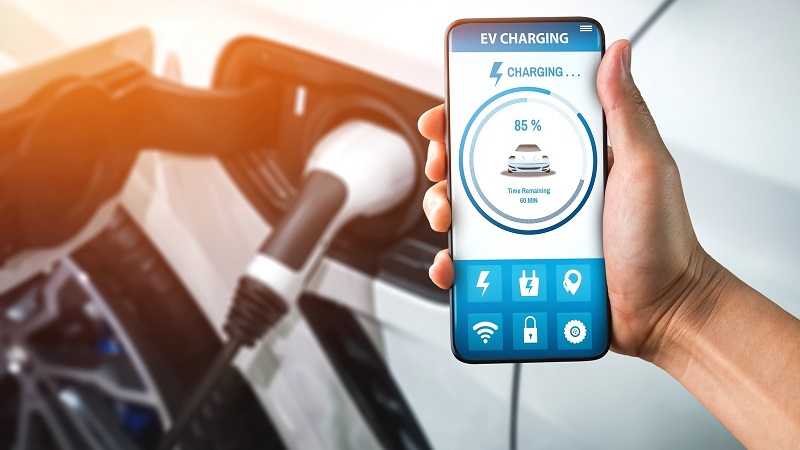
The rapid rise of electric vehicles is transforming how we think about mobility, but it also brings new challenges in managing charging infrastructure efficiently. As demand grows, simply installing chargers is no longer enough—there is a clear need for intelligent systems that can monitor, control, and optimize the entire charging network. This is where EV charging management systems come into play. In this article, we explore what these systems are, how they work, and why they are essential for modern EV ecosystems. We also break down their key components, features, benefits, costs, and challenges, along with practical guidance on choosing the right solution and deploying it effectively—especially for businesses and operators looking to scale their charging operations.
What is an EV Charging Management System and Its Purpose
An EV charging management system, often referred to as a charge point management system (CPMS) or EV charging software platform, is a centralized digital solution that connects, monitors, and controls electric vehicle charging infrastructure. It acts as the intelligence layer behind charging networks, enabling operators to manage stations remotely, track usage, handle billing, and optimize energy consumption. Within the broader EV ecosystem, it links charging hardware, users, and energy systems into a unified and efficient network.
These systems exist to address challenges such as fragmented infrastructure, inefficient energy usage, limited visibility, and complex payment processes. By introducing automation, interoperability, and data-driven insights, a CPMS supports a wide range of stakeholders—including charge point operators, businesses, fleet managers, utilities, governments, and EV drivers—ensuring reliable, scalable, and user-friendly charging experiences.
Why EV Charging Management Systems Are Essential
As electric vehicle adoption continues to grow rapidly, the demand for reliable and efficient charging infrastructure is increasing just as fast. Without proper coordination, this surge can place significant pressure on power grids, reduce operational efficiency, and create missed revenue opportunities. EV charging management systems are essential because they provide the control, visibility, and optimization needed to keep charging networks running smoothly at scale.
- Grid overload: Unmanaged charging can lead to excessive power demand during peak hours, straining the electrical infrastructure and increasing the risk of outages
- Inefficient charging: Without smart scheduling and load balancing, energy distribution becomes uneven, leading to slower charging times and underutilized resources
- Revenue leakage: Lack of proper tracking, pricing control, and payment integration can result in lost income and inaccurate billing for operators
- Limited visibility and control: Operators may struggle to monitor charger status, usage, and performance in real time, making it harder to manage networks effectively
- Poor user experience: Inconsistent availability, unreliable chargers, and complicated payment processes can frustrate EV drivers and reduce adoption
Key Functions of an EV Charging Management System
An EV charging management system is designed to control and coordinate the core operations of a charging network. It acts as the central system that ensures chargers function properly, users are managed efficiently, and energy is used in an optimized way.
- Monitor charging sessions: Tracks active and completed sessions, including duration, energy consumption, and charger status in real time
- Control chargers remotely: Enables operators to start, stop, or reset charging stations and perform updates without needing on-site access
- Manage users and access: Handles user authentication, permissions, and access levels for drivers, employees, or customers
- Handle billing and payments: Calculate charging costs, process transactions, and manage different pricing structures
- Optimize energy usage: Balances power distribution across chargers and aligns charging with available capacity to improve efficiency and reduce costs
Components of EV Charging Management Systems
EV charging management systems rely on a set of interconnected software tools that coordinate charging operations, user interaction, and network control. These software components act as the central layer that connects charging stations, users, and operators while enabling monitoring, billing, and energy optimization.
- Backend platform (cloud-based): Central system that connects all charging stations, manages operations, processes payments, and handles energy optimization and data analytics
- User applications (driver apps): Mobile or web apps that allow drivers to locate chargers, start/stop sessions, track usage, and make payments
- Admin dashboard: Interface for operators to monitor stations, control access, view performance data, and manage pricing and users
- Charging point software (embedded layer): Software inside charging stations that controls charging sessions and communicates with the backend system
- Energy management and load balancing tools: Systems that distribute power efficiently across vehicles to avoid overload and reduce costs
- Billing and payment modules: Components that support pricing models, invoicing, and transaction processing for charging services
- Monitoring and diagnostics systems: Tools for real-time tracking of charger status, fault detection, and remote maintenance
- Analytics and reporting tools: Provide insights into usage patterns, energy consumption, and operational performance to support decision-making
Features of EV Charging Management Systems
EV charging management systems provide a range of features that ensure efficient operation, user convenience, and reliable performance across charging networks. These capabilities help operators manage infrastructure effectively while delivering a smooth experience for EV drivers.
- Real-time monitoring: Tracks charger availability, usage status, and system performance instantly, allowing operators to respond quickly to issues
- Smart load balancing: Distributes available power across multiple chargers to prevent overload, reduce peak demand, and optimize energy use
- Billing & tariff management: Supports flexible pricing models, automated billing, and secure payment processing for different user types and usage patterns
- Analytics & reporting: Generates insights on energy consumption, user behavior, and station performance to support data-driven decisions
- Alerts & diagnostics: Detects faults or irregularities and sends notifications for quick maintenance and reduced downtime
- API integrations: Enables connection with third-party systems such as payment gateways, navigation apps, and energy management platforms
How an EV Charging Management System Works
An EV charging management system operates through a coordinated sequence of actions that connect the vehicle, charging station, and central platform. This workflow ensures secure access, efficient energy use, and accurate billing from start to finish.
- EV plugs in: The charging session begins when the driver connects the vehicle to the charging station
- User authentication: The system verifies the user through methods such as RFID cards, mobile apps, or QR codes to grant access
- Charger communicates with backend: The charging station exchanges data with the central platform to validate the session, retrieve user details, and initiate charging
- Load balancing applied: The system dynamically adjusts power distribution across active chargers to maintain grid stability and optimize energy usage
- Session tracking and billing: The platform monitors charging duration and energy consumption, then calculates costs and processes payment accordingly
Who Needs an EV Charging Management System
An EV charging management system is used by a wide range of stakeholders involved in deploying, operating, or benefiting from charging infrastructure. These systems help coordinate operations, manage energy demand, and deliver a seamless charging experience across different use cases and industries.
- Charge Point Operators (CPOs): Manage and operate charging networks, monitor performance, control access, and handle billing
- Fleet operators: Optimize charging schedules, track energy usage, and ensure availability for electric fleets such as logistics, delivery, or corporate vehicles
- Businesses (malls, offices, hotels): Provide EV charging as a service or amenity while managing usage, pricing, and access for customers or employees
- Real estate developers & property managers: Deploy and manage charging infrastructure in residential or mixed-use developments, including apartments and condos
- Utilities & energy providers: Monitor grid impact, implement demand-response strategies, and optimize electricity distribution for EV charging
- Government & public sector: Plan, deploy, and oversee public charging infrastructure while ensuring accessibility, compliance, and policy implementation
- Transportation hubs (airports, stations): Manage high-demand charging environments for travelers, fleets, and staff while ensuring availability and efficient turnover
- Electric mobility service providers (eMSPs): Offer services like roaming, user access, and payment platforms across multiple charging networks
- EV drivers (end users): Use mobile apps to locate chargers, initiate sessions, and manage payments, forming the end-user layer of the system
Types of EV Charging Management Systems
EV charging management systems come in different forms depending on their primary function and the stakeholders they serve. Each type focuses on a specific aspect of the charging ecosystem, from operating infrastructure to managing users, fleets, or energy consumption.
- CPMS (Charge Point Management System): Focuses on operating and controlling charging stations, including monitoring, maintenance, access control, and pricing
- eMSP platforms (eMobility Service Providers): Provide user-facing services such as charger discovery, roaming across networks, authentication, and payment processing
- Fleet charging systems: Designed for organizations managing multiple EVs, enabling scheduling, route-based charging optimization, and fleet energy tracking
- Energy management systems (EMS): Optimize electricity usage by balancing loads, integrating renewable energy sources, and reducing peak demand costs
Benefits of EV Charging Management Systems
EV charging management systems deliver a combination of business and technical advantages that improve efficiency, reduce costs, and enable scalable charging operations. By connecting chargers, users, and energy systems, these platforms help organizations optimize performance while creating new value streams.
- Operational efficiency: Centralized control and automation streamline charging operations, reducing manual work and improving overall system performance
- Revenue generation: Enables flexible pricing models, usage tracking, and data insights that help operators identify new income opportunities and optimize pricing strategies
- Reduced downtime: Real-time monitoring and predictive diagnostics detect issues early, allowing remote fixes and minimizing service interruptions
- Energy cost savings: Smart scheduling, load balancing, and off-peak charging reduce electricity costs and improve energy efficiency
- Scalability: Cloud-based architecture allows operators to expand charging networks easily as demand grows, without major system changes
- Improved user experience: Features like real-time availability, seamless payments, and reliable uptime enhance convenience for EV drivers
- Data-driven decision making: Analytics tools provide insights into usage patterns, helping businesses plan infrastructure and optimize operations
- Grid stability and load optimization: Intelligent energy distribution prevents overload and balances demand across multiple chargers
- Sustainability benefits: Integration with renewable energy sources reduces emissions and supports greener charging practices
- Remote control and automation: Operators can manage chargers, update software, and resolve issues without on-site intervention, lowering maintenance effort
EV Charging Standards and Integrations
EV charging management systems rely on standardized protocols and external integrations to ensure interoperability, seamless user experience, and efficient energy coordination. These standards enable different chargers, platforms, and service providers to communicate reliably, while integrations extend system capabilities beyond charging itself.
Key Standards
- OCPP (Open Charge Point Protocol): Enables communication between charging stations and the central management system, allowing remote control, monitoring, and updates
- OCPI (Open Charge Point Interface): Supports roaming between networks, enabling drivers to access multiple charging providers with a single account
- ISO 15118 (Plug & Charge): Allows automatic authentication and payment when a vehicle is plugged in, removing the need for cards or apps
System Integrations
- Payment systems: Integration with payment gateways, digital wallets, and billing platforms for seamless and secure transactions
- Smart grids: Connection with grid systems to manage demand, balance loads, and support demand-response programs
- Renewable energy sources: Integration with solar, wind, or energy storage systems to enable cleaner and more efficient charging
Cost of an EV Charging Management System
The cost of an EV charging management system varies depending on the pricing model, scale of deployment, and level of functionality required. Most providers offer flexible pricing structures that align with how the charging network is used and managed. Understanding both cost components and potential return on investment (ROI) is key to making an informed decision.
Pricing Models
- SaaS subscription: Monthly or annual fee for accessing a cloud-based platform, typically including updates, support, and core features
- Per charger pricing: Fixed cost based on the number of charging points connected to the system
- Transaction-based fees: Charges applied per charging session or as a percentage of each transaction
Key Cost Factors
- Number of chargers: Larger networks increase total cost but often benefit from volume-based pricing
- Features required: Advanced capabilities like smart load balancing, analytics, or integrations can raise pricing
- Integration complexity: Connecting with third-party systems (payments, energy platforms, fleet tools) may add setup and maintenance costs
- Customization and scalability needs: Tailored solutions or future expansion requirements can influence overall investment
- Support and maintenance: Ongoing technical support, updates, and system monitoring may be included or priced separately
Example ROI Scenario
A business operating 20 chargers in a commercial location adopts a management system with smart pricing and energy optimization:
- By introducing dynamic pricing, it generates additional monthly revenue from peak-hour usage
- Load balancing reduces electricity demand charges, lowering energy bills
- Remote monitoring cuts maintenance visits and operational overhead
Over time, the combined savings and increased revenue can offset system costs within a relatively short period, while continuing to deliver long-term financial and operational benefits
How to Choose the Right EV Charging Management System
Selecting the right EV charging management system is essential for ensuring reliable operations, future growth, and a smooth user experience. The ideal solution should align with current needs while remaining flexible enough to adapt as demand and technology evolve.
- Scalability: Choose a system that can grow with your network, allowing you to add more chargers, users, and locations without major upgrades
- Interoperability (OCPP compliance): Ensure compatibility with industry standards so the system can work with different charger brands and avoid vendor lock-in
- Ease of use: Look for intuitive interfaces for both operators and drivers, minimizing training needs and improving overall usability
- Integration capabilities: The system should easily connect with payment platforms, energy systems, fleet tools, and other third-party services
- Vendor support: Reliable technical support, regular updates, and clear service agreements are crucial for maintaining system performance and minimizing downtime
Challenges in EV Charging Management Systems
While EV charging management systems offer significant advantages, they also come with operational and technical challenges that can affect performance, scalability, and adoption. Addressing these challenges is essential for building reliable and future-ready charging networks.
- Grid limitations: Existing electrical infrastructure may struggle to support high demand, especially in areas with multiple fast chargers or peak usage periods
- Interoperability issues: Differences in standards, hardware, and software can create compatibility problems between chargers, platforms, and service providers
- Cybersecurity risks: Connected systems are vulnerable to data breaches, unauthorized access, and potential disruptions if not properly secured
- High infrastructure cost: Initial investment in hardware, installation, and system integration can be substantial, particularly for large-scale deployments
- Maintenance and reliability concerns: Ensuring consistent uptime requires ongoing monitoring, updates, and timely repairs, which can be resource-intensive
- Scalability constraints: Expanding networks may require upgrades to both software and electrical infrastructure, adding complexity and cost
EV Charging Management System Installation in the UAE
As electric vehicle adoption accelerates across the UAE, having a reliable and scalable EV charging management system is essential for businesses, property owners, and fleet operators. From initial planning to full deployment, the right partner ensures a smooth installation process, compliance with local regulations, and long-term operational efficiency.
At Quikr, we specialize in delivering end-to-end EV charging solutions across the UAE, supporting both B2B and B2C clients with high-quality hardware, smart management systems, and expert installation services.
- End-to-end deployment: From site assessment and system design to installation and commissioning, Quikr handles the complete setup of EV charging infrastructure
- Smart management integration: We implement advanced charging management systems that enable real-time monitoring, billing, and energy optimization
- Tailored solutions: Whether for residential properties, commercial spaces, fleets, or public charging, our solutions are customized to match your specific needs
- Compliance with UAE standards: All installations align with local regulations and safety requirements, ensuring reliable and future-proof operations
- Scalable infrastructure: Our systems are designed to grow with your demand, allowing easy expansion as EV adoption increases
- Ongoing support and maintenance: Quikr provides continuous technical support, system updates, and maintenance to ensure maximum uptime and performance
Partnering with Quikr means investing in a future-ready EV charging ecosystem backed by local expertise, advanced technology, and a strong commitment to quality and customer satisfaction.
Conclusion
In summary, EV charging management systems are a critical foundation for building efficient, scalable, and future-ready charging infrastructure. From enabling real-time control and smart energy optimization to supporting seamless user experiences and new revenue models, these systems bring structure and intelligence to an otherwise complex ecosystem. As EV adoption continues to accelerate, the role of a robust charge point management system will only become more important for businesses, operators, and public infrastructure alike. Whether you are deploying a few chargers or managing a large network, investing in the right solution ensures long-term reliability, cost efficiency, and the ability to grow with evolving demand.