
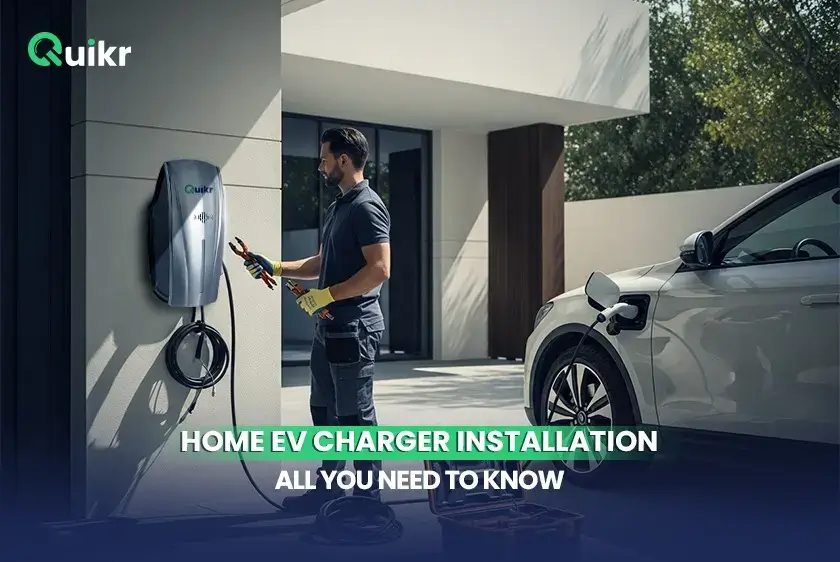
As electric vehicles (EVs) become increasingly popular, more homeowners are choosing to install EV chargers at home for convenience, efficiency, and long-term cost savings. A home EV charger allows you to charge your vehicle overnight, avoid public charging queues, and ensure your car is always ready when you need it.
However, installing a home EV charger involves more than simply plugging in a device. From understanding charger types and electrical requirements to ensuring safety compliance and choosing the right installation professional, there are several important factors to consider. Making informed decisions can help you maximize charging performance, protect your electrical system, and future-proof your home for evolving EV technology.
In this guide, we cover everything you need to know about home EV charger installation, including how it works, what to expect during installation, costs, safety considerations, and how to choose the right charger for your needs.
Things to Consider Before Installing an EV Charger in Your Home
Before installing an EV charger at home, it’s important to evaluate several key factors that can impact performance, safety, and overall cost. Every home and vehicle setup is different, and taking the time to plan ahead helps ensure a smooth installation and reliable long-term use. From your electrical system’s capacity to charger compatibility and local regulations, these considerations will help you make informed decisions and avoid costly upgrades later.
Electrical Capacity of Your Home
Your home’s electrical panel must be able to support the additional load of an EV charger, especially for Level 2 installations. Older homes may require an electrical panel upgrade to handle the increased power demand safely. A licensed electrician can assess your current system, identify available capacity, and recommend necessary improvements. Ensuring proper electrical capacity helps prevent circuit overloads, power interruptions, and potential safety hazards.
Type of EV Charger (Level 1 vs. Level 2)
EV chargers are typically categorized as Level 1 or Level 2, each offering different charging speeds and power requirements. Level 1 chargers use a standard household outlet and are slower but may be sufficient for drivers with short daily commutes. Level 2 chargers require a dedicated 240-volt circuit and provide significantly faster charging times. Choosing the right charger depends on your driving habits, vehicle battery size, and charging expectations.
Charger Compatibility with Your Vehicle
Not all EV chargers are universally compatible, so it’s essential to ensure the charger you choose works with your specific vehicle model. Most modern EVs use standard connectors, but some vehicles may have unique charging requirements or benefit from manufacturer-recommended chargers. Compatibility also affects charging efficiency and access to smart features. Verifying compatibility in advance helps avoid performance issues and unnecessary replacements.
Installation Location and Accessibility
The location of your EV charger plays a crucial role in convenience and installation cost. Chargers are commonly installed in garages, driveways, or carports, depending on available space and parking habits. The distance from your electrical panel can impact installation complexity and labor costs. Choosing an accessible and weather-protected location improves ease of use and helps extend the lifespan of the charger.
Permits, Codes, and Local Regulations
Most regions require permits and adherence to electrical codes when installing an EV charger. These regulations ensure that the installation meets safety standards and complies with local laws. Working with a licensed electrician helps streamline the permitting process and avoids potential fines or insurance issues. Understanding local requirements in advance ensures a legal, safe, and hassle-free installation.
Understand Your EV Charging Needs
Before installing a home EV charger, you need to confirm compatibility between your vehicle and your home’s electrical system. Most EVs in the UAE use Type 2 connectors, making AC chargers the standard choice for residential use.
Charger size depends on your setup. A 7 kW charger is sufficient for overnight charging, while 22 kW units require higher electrical capacity. Your distribution board should be checked by a qualified technician to ensure it can handle the additional load.
Many chargers also include smart features such as scheduled charging and energy monitoring, which can help manage usage and reduce costs.
Understand the Rules of the Emirate You Are In
Installing a home EV charger in the UAE requires approval from the relevant authority in your emirate. In Dubai, applications are submitted through DEWA, while in Abu Dhabi they are handled by ADDC, and in Sharjah by SEWA. Installations must be completed by licensed or approved contractors and may require inspections.
If you live in an apartment, you will also need a No Objection Certificate (NOC) from building management and approval for a dedicated parking space. Most installers handle the approval process and documentation on your behalf.
Make Sure You Have a Suitable Location in Your Home for EV Charger Installation
The EV charger should be installed within your private property, such as a garage, driveway, or dedicated parking space. Installation in public or street areas is generally not permitted due to safety and regulatory restrictions.
The location should allow easy vehicle access, safe cable use, and be close to the electrical supply to reduce installation complexity. If using a smart charger, ensure the area has stable Wi-Fi coverage.
For apartments or rented properties, approval from the landlord or building management is required before installation.
Check If Your Home Wi-Fi Connection Is Sufficient
A reliable Wi-Fi connection is an important consideration when installing a modern home EV charger, especially if you choose a smart charging system. Many EV chargers rely on internet connectivity to enable features such as remote control, charging schedules, energy usage monitoring, and software updates. If the charger is installed in a garage or outdoor parking area, ensure the Wi-Fi signal from your router is strong and stable in that location. Weak connectivity can limit smart functionality or prevent the charger from operating at full capability. In some cases, a Wi-Fi extender or mesh network can help ensure consistent coverage at the installation point.
Get Permission to Install an EV Charger at Home
Before proceeding with a home EV charger installation, it’s important to secure all necessary permissions to avoid delays or compliance issues. Homeowners typically need approval from the local utility authority, while residents in apartments or rented properties must also obtain written consent from the landlord, building management, or owners’ association. These permissions confirm that the installation meets safety standards and does not interfere with shared electrical infrastructure or parking arrangements. In many cases, documentation such as a No Objection Certificate (NOC) and proof of a dedicated parking space may be required. Working with a certified EV charger installer can simplify this process, as they often manage approvals and paperwork on your behalf.
Can I Install an EV Charger by Myself?
Installing an EV charger yourself is generally not recommended and may not be permitted in the UAE without proper certification. Installations must comply with local electrical standards and require approval from the relevant authority, which licensed electricians are qualified to manage.
EV chargers place a significant load on your home’s electrical system and may require upgrades to wiring, breakers, or capacity. A certified electrician would also assess your system, ensure proper installation, and handle grounding and protection requirements to reduce safety risks and ensure long-term reliability.
How Does EV Charger Installation for Home Work?
Home EV charger installation follows a structured process to ensure safety and compliance. It starts with an assessment of your electrical system and installation site to determine capacity, location, and whether upgrades or a dedicated circuit are needed.
Once approved, the installer runs wiring from the electrical panel, mounts the charger, and connects it with proper grounding and protection. The system is then tested and inspected to confirm safe and compliant operation, with installers typically handling permits and approvals.
What to Expect From Your EV Charger Installer?
When you hire a professional to install your home EV charger, you should expect a thorough, safe, and code-compliant service that covers everything from assessment to handover. A licensed installer doesn’t just mount a box on the wall; they manage permits, evaluate your electrical system, upgrade wiring if necessary, and ensure your new charging station integrates seamlessly with your home infrastructure. Their work should give you confidence in your charging setup and peace of mind knowing your system is safe, legal, and optimized for daily use.
Here’s what a reputable EV charger installer should provide:
- Comprehensive Home Assessment: The installer will evaluate your property’s electrical capacity, panel load, and ideal charger location before any equipment is ordered or installed. This ensures the setup is safe and tailored to your home’s needs.
- Permit Management and Code Compliance: Your installer will handle applications for electrical permits on your behalf and ensure all work adheres to local regulations and electrical codes, reducing risk and delays.
- Electrical Upgrades and Dedicated Circuit Installation: If necessary, upgrades to your breaker panel, wiring, or a dedicated 240-volt circuit will be completed to accommodate your charger safely and efficiently.
- Professional Charger Mounting and Wiring: The charger will be securely mounted in the chosen location, properly wired, grounded, and tested for correct operation, with attention to weatherproofing when installed outdoors.
- Final Testing and Demonstration: After installation, the technician will test the system, verify charging performance, and walk you through how to use the charger—including any smart features like scheduling or monitoring.
- Inspection Coordination: In many jurisdictions, a formal inspection is required after installation; your installer will coordinate this to ensure the installation passes all safety checks.
- Post-Installation Support: Quality installers offer guidance on maintenance, warranty information, and support contacts if you need help in the future.
How Much Does EV Charger Installation for Home Cost in the UAE?
The cost of installing a home EV charger in the UAE depends on several factors, including the charger unit, installation work, and any electrical upgrades required. A typical Level 2 installation (including charger and installation) generally ranges from AED 2,000 to AED 7,000, depending on system requirements and installation complexity.
Key cost components include:
- Basic Home Charger + Installation: Most standard Level 2 EV chargers installed at home in the UAE cost about AED 2,000–AED 5,000, including the unit and labor.
- Higher-End or Feature-Rich Chargers: Chargers with advanced smart features (app control, energy monitoring, higher power) can cost toward the upper end of the range, especially if installation requires more extensive electrical work.
- Additional Electrical Upgrades: If your home’s electrical panel needs upgrading or dedicated circuits must be installed, expect higher costs,sometimes adding several hundred to over a thousand dirhams.
In summary, while simple installations are relatively affordable, full setup costs can increase if your electrical system needs preparation or you choose a premium charger. Planning ahead with a qualified installer who can assess your home’s electrical layout will help you get an accurate cost estimate.
How Long Does It Take to Install an EV Charger at Home?
For most households, installing a home EV charger is a quick and straightforward process that can be completed in under half a day. Simple installations, where the charger is mounted close to the fuse box, and no major electrical changes are required, are often finished within just a few hours. If the setup requires additional cabling, minor wiring adjustments, or longer cable runs, the installation may take slightly longer but is still typically completed in a single visit.
Installation timelines tend to extend only when significant electrical upgrades are necessary. Projects such as replacing or upgrading the fuse box, running underground cables, or converting the home’s supply to a three-phase system can push the work to a full day or, in rare cases, require multiple visits. A professional installer will assess these factors in advance and provide a clear timeline so you know exactly what to expect before work begins.
How to Choose an EV Charger Installer?
Choosing the right EV charger installer is just as important as selecting the charger itself. A qualified and experienced installer ensures your charging system is safe, compliant with local regulations, and optimised for your home’s electrical setup. Taking the time to evaluate installers carefully can help you avoid future issues, unexpected costs, and safety risks while ensuring a smooth installation experience.
When selecting an EV charger installer, look for the following:
- Proper Licensing and Certifications: Ensure the installer is licensed, certified, and approved by local utility authorities where required, as this confirms they meet safety and regulatory standards.
- Experience With EV Charger Installations: Installers with proven experience in residential EV charging understand load calculations, charger compatibility, and common challenges specific to EV setups.
- Knowledge of Local Regulations and Approvals: A reliable installer should be familiar with emirate-specific rules, permits, and inspection requirements and be able to handle approvals on your behalf.
- Transparent Pricing and Clear Quotations: Look for detailed quotes that clearly outline equipment costs, labor, potential upgrades, and any additional fees to avoid surprises later.
- Site Assessment Before Installation: Professional installers always conduct a home evaluation to assess electrical capacity, panel condition, and the most suitable charger location.
- After-Sales Support and Warranty: Choose an installer who offers post-installation support, guidance on charger use, and warranty coverage for both workmanship and equipment.
- Positive Reviews and References: Customer reviews, testimonials, or recommendations can provide insight into reliability, professionalism, and overall service quality.
Best EV Charger Installer in the UAE
When choosing an EV charger installer in the UAE, it’s important to work with certified professionals who understand local regulations and safety requirements. Installations require approvals, electrical assessments, and proper compliance, which makes experience and licensing essential.
Quikr provides end-to-end EV charger installation through certified, utility-approved installers across the UAE. From site assessment and approvals to installation and testing, Quikr handles the entire process, making home charging simple and compliant. Get in touch with Quikr to schedule your installation and avoid delays or compliance issues.
Is 7kW charger Right for You?’ quiz section
Things to Do to Prepare Your Home for EV Charger Installation
Preparing your home before EV charger installation helps ensure a smooth and efficient process. Basic steps such as confirming electrical readiness, ensuring access, and reviewing the installation plan can help avoid delays and issues.
Key steps to prepare your home for EV charger installation include:
- Clear the Installation Area: Make sure the space where the charger will be installed (garage, driveway, or carport) is clean, accessible, and free from obstacles so the installer can work safely and efficiently.
- Provide Easy Access to Your Electrical Panel: Ensure the electrician can easily reach your main electrical panel or distribution board, as they need to assess capacity and connect the charger safely.
- Identify Your Wi-Fi Coverage: Check that your home Wi-Fi signal reaches the installation location, especially for smart chargers that require connectivity for updates, scheduling, and energy monitoring.
- Have Necessary Permissions Ready: If you live in a rented property or apartment, ensure written consent from your landlord or building management is available to avoid delays on installation day.
- Discuss Your Charging Goals: Communicate your typical driving patterns and charging preferences with the installer so they can recommend the best charger type, power level, and settings for your needs.
- Prepare for Inspection (If Required): Some jurisdictions require a post-installation safety inspection; be ready to coordinate or confirm inspection appointments as needed.
These simple preparations help the installation team work efficiently and deliver a reliable, compliant charging setup tailored to your home.
What Does Home EV Charger Installation Include?
Home EV charger installation involves more than just mounting the unit. It includes electrical assessment, wiring, and testing to ensure safe and compliant operation.
A typical home EV charger installation includes:
- Electrical System Assessment: A professional evaluates your home’s electrical panel and load capacity to determine if upgrades, a dedicated circuit, or panel enhancements are required before installation.
- Permitting and Compliance: The installer handles necessary permits and ensures all work meets local codes and safety regulations, which is essential for legal and safe operation.
- Wiring and Circuit Setup: Dedicated wiring and a proper 240-volt circuit (or equivalent) are installed from your main panel to the charger location to safely handle the power requirements.
- Charger Mounting: The charging unit is securely mounted on a wall or pedestal in the selected location, with proper clearances and weather protection if installed outdoors.
- Connection and Grounding: All electrical connections are made, including proper grounding and safety devices such as breakers or residual-current protection.
- Testing and Inspection: After installation, the charger and electrical system are tested for proper operation, safety performance, and compliance with regulations.
These elements together ensure your home EV charger is installed professionally, safely, and ready to provide reliable charging for your electric vehicle.
Does My EV Charger Installation Include Surge Protection?
Yes, surge protection is typically an essential part of a professional EV charger installation to safeguard your vehicle, charger, and home electrical system. In most cases, a Type 2 Surge Protection Device (SPD) is included as standard when the property is supplied by underground electricity cables. For homes that receive power through overhead lines, additional protection, such as Type 1 and Type 2 SPDs, may be required to protect against lightning strikes and voltage surges. These measures ensure the installation complies with safety regulations and provides long-term protection for both your EV and electrical infrastructure.
Things to Do After Your Home EV Charger Installation
Once your home EV charger is installed, a few simple follow-up steps can help you protect your investment, optimise performance, and reduce ongoing charging costs. Proper setup and monitoring ensure you get the most value from your charger while keeping everything running safely and efficiently over the long term.
Here’s what you should do after installation:
- Register Your Charger and Warranty: Complete the manufacturer’s warranty registration within the required timeframe and safely store installation certificates and proof of purchase. Most warranties remain valid only when professional installation is documented.
- Set Up the Charger’s Mobile App: Connect your charger to your home Wi-Fi and download the companion app. This allows you to schedule charging sessions, monitor energy usage, and manage smart features from your phone.
- Schedule Charging During Off-Peak Hours: Use smart charging settings to charge your EV during off-peak electricity hours, which can significantly lower your energy costs over time.
- Monitor Energy Usage Regularly: Track charging data through the app to understand consumption patterns and adjust settings for better efficiency and cost control.
- Keep a Backup Public Charging Option: Even with a home charger, it’s useful to have access to public charging through a charge card or app for travel or unexpected situations.
- Review Your Electricity Plan: If available, consider switching to an EV-friendly or time-of-use tariff that supports lower rates during overnight charging periods.
Taking these steps ensures your home EV charging setup remains efficient, cost-effective, and easy to manage long after installation.
Final Word
Installing a home EV charger is a smart investment that brings convenience, cost savings, and long-term value to your electric vehicle ownership experience. From understanding your charging needs and local regulations to preparing your home and choosing the right installer, proper planning ensures a safe, compliant, and efficient setup. With professional installation, you can enjoy reliable overnight charging, smart energy management, and complete peace of mind.
If you’re looking for a trusted EV charger installation service in the UAE, Quikr is here to help. Quikr connects you with certified, utility-approved professionals who handle everything, from site assessment and approvals to installation and final testing. Whether you live in a villa or an apartment, Quikr makes home EV charging simple, safe, and hassle-free.
Get started today with Quikr and take the next step toward effortless EV charging at home.




30 Comments
[…] in the United Arab Emirates, surge protection is not universally mandated by law for every EV charger installation. However, local authorities, utility providers, and engineering consultants strongly recommend SPDs […]
[…] cost of installing a home EV charging station in the UAE typically ranges between AED 2,000 and AED 5,000, depending on the charger you choose […]
[…] your EV at home is simple once the charger is installed. Most users plug in overnight or during off-peak hours for convenience and lower costs. Follow […]
tadalafil daily dosing
tadalafil daily dosing
tadalafil 2.5 price
tadalafil 2.5 price
viagra alcohol effects
viagra alcohol effects
generic cialis pictures
generic cialis pictures
tadalafil reddit
tadalafil reddit
orlistat reviews nhs
orlistat reviews nhs
semaglutide dose for weight loss australia
semaglutide dose for weight loss australia
rogaine for eyelashes
rogaine for eyelashes
orlistat drug price
orlistat drug price
ketorolac tromethamine risks
ketorolac tromethamine risks
ketorolac duration
ketorolac duration
ivermectin rosacea data
ivermectin rosacea data
ivermectin mechanism research summary
ivermectin mechanism research summary
minoxidil regrowth metrics
minoxidil regrowth metrics
sildenafil dietary interactions
sildenafil dietary interactions
vardenafil time dynamics
vardenafil time dynamics
[…] can also explore our complete home EV charger installation guide to learn more about maintaining a reliable smart charging […]
vardenafil side effect review
vardenafil side effect review
vardenafil vs sildenafil comparison overview
vardenafil vs sildenafil comparison overview
orlistat food influence
orlistat food influence
otitis media complications
otitis media complications
pneumonia lung inflammation
pneumonia lung inflammation
sinusitis ent overview
sinusitis ent overview
Sildenafil Timing Resource
Sildenafil Timing Resource
Alcohol and Sildenafil PK
Alcohol and Sildenafil PK
sildenafil PDE5 inhibitor
sildenafil PDE5 inhibitor
tadalafil as erectile dysfunction therapy
tadalafil as erectile dysfunction therapy