
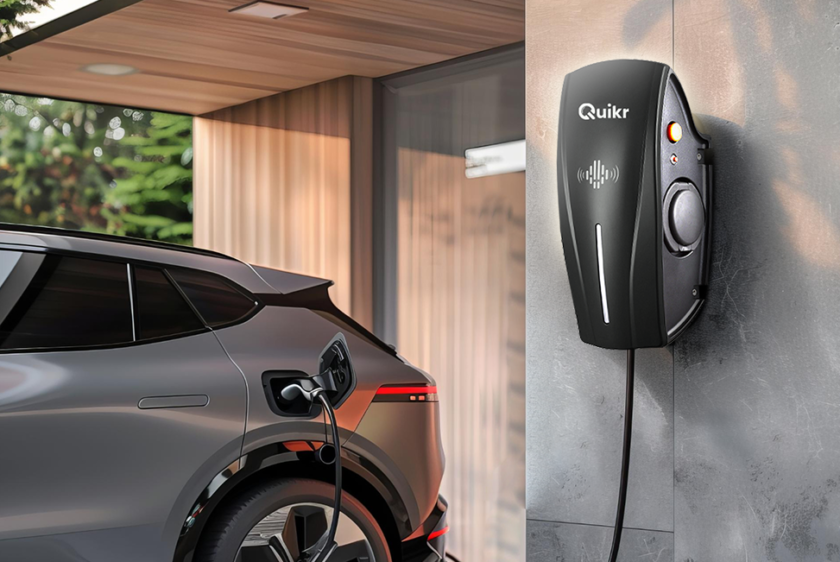
Are you searching for the home EV charger for your electric vehicle in 2026? With the rapid growth of the EV market, having a reliable and efficient charging solution at home is more important than ever.
In this comprehensive guide, we’ll explore:
- The best home EV chargers for 2026
- The cost of installing an electric vehicle charging station at home
- How to choose the best Level 2 EV charger for home use
- Tesla-compatible charging solutions (best home EV charger Tesla)
- Key factors to consider before buying an EV charger
By the end of this guide, you’ll have all the information needed to select the perfect home EV charging station for your needs.
Why You Need the Best Home EV Charger in 2026
Owning an electric vehicle (EV) is only half the battle—having the right charging setup at home ensures convenience, efficiency, and cost savings Here’s why investing in home EV charger is essential:
✅ Faster Charging – Level 2 chargers reduce charging time significantly compared to standard outlets.
✅ Convenience – Charge overnight and wake up to a fully powered EV.
✅ Smart Features – Monitor and schedule charging via Wi-Fi or mobile apps.
✅ Cost Savings – Avoid expensive public charging stations.
✅ Future-Proofing – High-power chargers support next-gen EVs with larger batteries.
Types of EV Chargers: Level 1 vs. Level 2 vs. DC Fast Charging
Before choosing the best home EV charger, it’s important to understand the different types available:
1. Level 1 Chargers (120V)
- Power: 1.4 kW to 2.4 kW
- Charging Speed: 3-5 miles per hour
- Best For: Emergency or occasional use
- Pros: No installation required (uses standard outlet)
- Cons: Extremely slow
2. Level 2 Chargers (240V) – Best Home EV Charger Choice
- Power: 3.6 kW to 19.2 kW
- Charging Speed: 12-80 miles per hour
- Best For: Daily home charging
- Pros: Faster charging, smart features, Wi-Fi connectivity
- Cons: Requires professional installation
3. DC Fast Chargers (Level 3 – 480V+)
- Power: 50 kW to 350 kW
- Charging Speed: 100-200 miles in 20-30 mins
- Best For: Public charging stations
- Pros: Ultra-fast charging
- Cons: Expensive, not suitable for home use
For home use, a Level 2 charger is the best choice.
7kW vs 11kW vs 22kW: Which Home EV Charger Do You Actually Need?
| Charger | Speed (km/hour) | Full Charge Time | Power Supply Required | Best For |
|---|---|---|---|---|
| 7kW (single-phase) | 35–45 km/hr | 6–9 hours | Single-phase (230V) | Most UAE homes, daily driving under 100km |
| 11kW (three-phase) | 55–65 km/hr | 4–6 hours | Three-phase (400V) | High-mileage drivers or larger batteries |
| 22kW (three-phase) | 100–120 km/hr | 2–3 hours | Three-phase (400V) | Two EVs, large batteries (80kWh+), Tesla Model S/X |
How to Choose the Best Home EV Charger for Your Needs
When selecting the EV charger, consider these key factors:
1. Power Output (kW Rating)
- 3.6 kW – Basic charging (~12 miles/hour)
- 7.2 kW – Mid-range (~25 miles/hour)
- 11.5 kW+ – Fastest home charging (~44+ miles/hour)
2. Compatibility
- Tesla owners → Tesla Wall Connector
- Non-Tesla EVs → J1772 plug chargers (ChargePoint, JuiceBox, etc.)
3. Smart Features
- Wi-Fi/App Control – Remote monitoring & scheduling
- Energy Tracking – Track electricity usage
- Solar Integration – Optimize renewable energy
4. Installation Requirements
- Hardwired vs. Plug-In – Hardwired offers higher power
- Electrical Panel Capacity – 50A+ circuit recommended for fast charging
5. Durability & Weather Resistance
- NEMA 4 Rating – Essential for outdoor installations
Home EV Charging Station Cost (2026 Estimates)
The total cost of installing a home EV charging station includes:
| Expense | Estimated Cost |
|---|---|
| Level 2 Charger Unit | 4001,500 |
| Professional Installation | 5002,000 |
| Permits & Electrical Upgrades | 2001,000 |
| Total Estimated Cost | 1,1004,500 |
Pro Tip: Check for local EV charger rebates & tax credits to reduce costs.
How to Reduce Your Home EV Charging Costs in Dubai
1. Charge During Off-Peak Hours
DEWA’s residential tariff is lowest between 11pm and 6am A smart charger lets you schedule charging automatically for this window saving up to 30% on your monthly electricity bill.
2. Use Your Charger’s Energy Monitoring
Smart chargers track exactly how much electricity your EV uses This lets you separate your EV charging cost from your household bill and see your exact monthly savings vs. petrol.
3. Set a Charging Limit
Most EVs charge optimally to 80% for daily use (only charge to 100% before long trips) A smart charger lets you set this limit automatically extending your battery’s lifespan and reducing energy use.
4. Consider Solar Integration
If your villa has rooftop solar, a solar-compatible smart charger can route solar energy directly to your EV during daylight hours effectively making your daily commute free.
FAQs About the Best Home EV Charger
1. What is the best Level 2 EV charger for home?
The ChargePoint Home Flex and Tesla Wall Connector are top choices for speed and reliability.
2. What is the highest-power home EV charger?
The JuiceBox Pro 80 (19.2 kW) is the most powerful home charger available.
3. Should I get a 3.6 kW or 7 kW charger?
A 7 kW charger is better for daily use, while 3.6 kW is slower but cheaper.
4. Is a home EV charger worth it?
Yes! It saves time, money, and ensures your EV is always ready to go.
Final Verdict: Best Home EV Charger for 2026
After extensive research, here are our top picks:
Best Overall: ChargePoint Home Flex (Fast, smart, reliable)
Fastest Charging: JuiceBox Pro 80 (19.2 kW power)
Best Budget: Grizzl-E Classic (Affordable & durable)
Best for Tesla Owners: Tesla Wall Connector
Ready to Install Your Home EV Charger in Dubai?
Quikrev handles everything from choosing the right charger for your EV and home setup, to DEWA certified installation, to after sales maintenance.
Call us: +971 4 279 7997
Email: Info@quikrev.com
We’ll assess your home’s electrical setup, recommend the right charger, and give you a fixed-price installation quote usually within 24 hours.